Repairing an aging system feels cheaper than replacing it, one bill at a time. Here is everything that bill does not show you, and a quick way to add up what your system is really costing.
Old systems rarely fail all at once. They fail a piece at a time: a capacitor one summer, a contactor or fan motor the next, then a refrigerant leak. Each repair is reasonable on its own, so it is easy to say yes every time. Added together over a few years, those bills can quietly cover a good part of a new system, and you still own an old one.
Then there is the big one. When a compressor or heat exchanger fails on an older system, the repair can approach the cost of replacement. That is the moment most homeowners realize they have been paying into a system with no future.
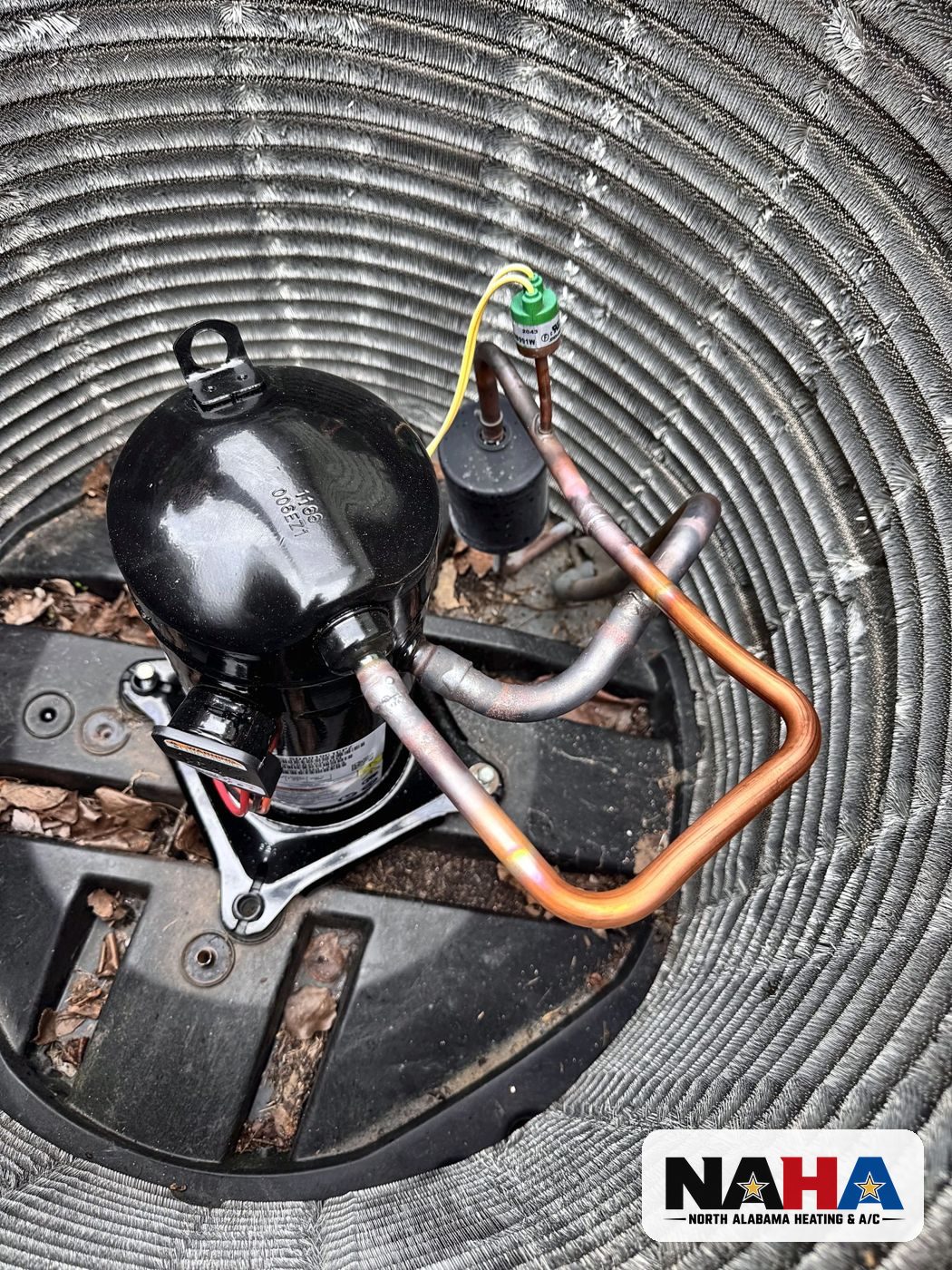
These never show up on a repair invoice.
A system installed before 2006 was likely built to the old 10 SEER minimum. Today's minimum in the Southeast is 14.3 SEER2, which works out to roughly a third less electricity for the same cooling.
Systems built before 2010 often run on R-22, which is no longer produced. Every recharge uses limited reclaimed supply, which keeps leak repairs expensive.
Old systems tend to quit on the hottest and coldest days, when every contractor is busy and you have the fewest choices.
Weak airflow, hot rooms and sticky air become normal. A worn system often cannot pull humidity out the way it used to.
Each fix keeps it running, but none of them make it younger. The next failure is usually waiting in another part.
Buyers and inspectors notice an aging system. It can become a negotiating point when you sell.
A quick tally, with the numbers staying on your device.
Enter your numbers to see the total.
We will tell you when a repair is the better call.
Rebate eligibility set by TVA EnergyRight and your local power company.
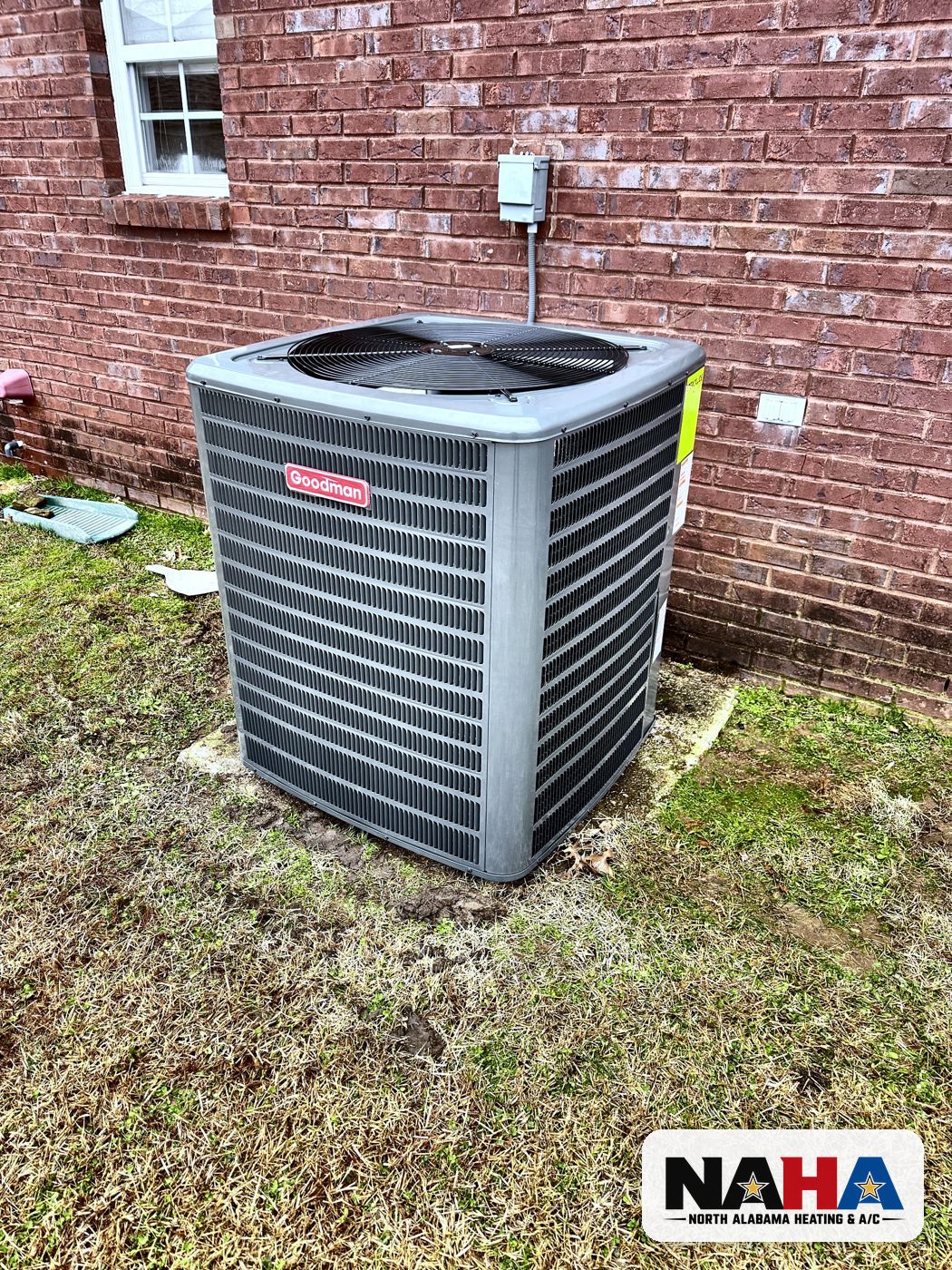
Our techs are not there to push a new system. We will tell you what is wrong, what it costs to fix, and what it costs to replace, then let you decide.
There is no single cutoff. Age, repair history and the refrigerant it uses all matter. Our guide How Long Does an HVAC System Last? covers what to expect in North Alabama.
A quick rule of thumb: multiply the system's age by the repair cost. Above 5,000, replacement usually makes more sense. Read more in Repair or Replace: The $5,000 Rule.
Yes. We offer financing through GoodLeap, and qualifying systems may earn a TVA EnergyRight rebate.
No. If a repair is the smarter move, we will say so.